Your skin is constantly communicating with you. Most of us just don't know how to listen. The frustrating truth is that many common skin problems — breakouts, dryness, excess oil, dullness — are caused not by bad skin, but by products that aren't suited to it. Here's how to tell the difference.
Your skin feels tight after cleansing
That squeaky-clean, tight feeling after washing your face is not a sign that your cleanser is working. It's a sign that it's stripping your skin's natural oils and disrupting your barrier.
A well-formulated cleanser should leave your skin feeling clean but comfortable — never dry or taut. If you feel the need to immediately apply moisturiser to relieve the tightness, your cleanser is too harsh for your skin type.
What to do: Switch to a cream or gel cleanser with a pH between 4.5 and 6.5. Look for ceramides or glycerin in the formula. Avoid sodium lauryl sulfate (SLS) if your skin reacts to it.
You're breaking out in new places
New breakouts that appear in areas you don't usually get them — especially along the jawline or cheeks — are often caused by a product that's clogging your pores. This is called comedogenicity, and some ingredients that are excellent for dry skin (coconut oil, certain silicones) are highly comedogenic for others.
Breakouts caused by a new product typically appear within two to four weeks of starting it. If you've introduced multiple products at the same time, it's impossible to know which one is the culprit — which is why introducing one product at a time matters.
What to do: Stop using the most recently introduced product and observe your skin for two weeks. Check ingredient lists for known comedogenic ingredients using a tool like CosDNA or INCI decoder.
Your skin is oilier than it was before
Paradoxically, using products that are too drying can make oily skin produce even more oil. When your skin's barrier is stripped, it compensates by increasing sebum production — which leads to more shine, more breakouts, and more frustration.
This is one of the most common mistakes in oily skin care: over-cleansing, using harsh toners, and skipping moisturiser because "oily skin doesn't need it." All of these behaviours worsen the problem.
What to do: Simplify your routine. Use a gentle cleanser twice a day (not three times). Add a lightweight, oil-free moisturiser. Give your skin two to four weeks to recalibrate before expecting improvement.
Products sting or burn when you apply them
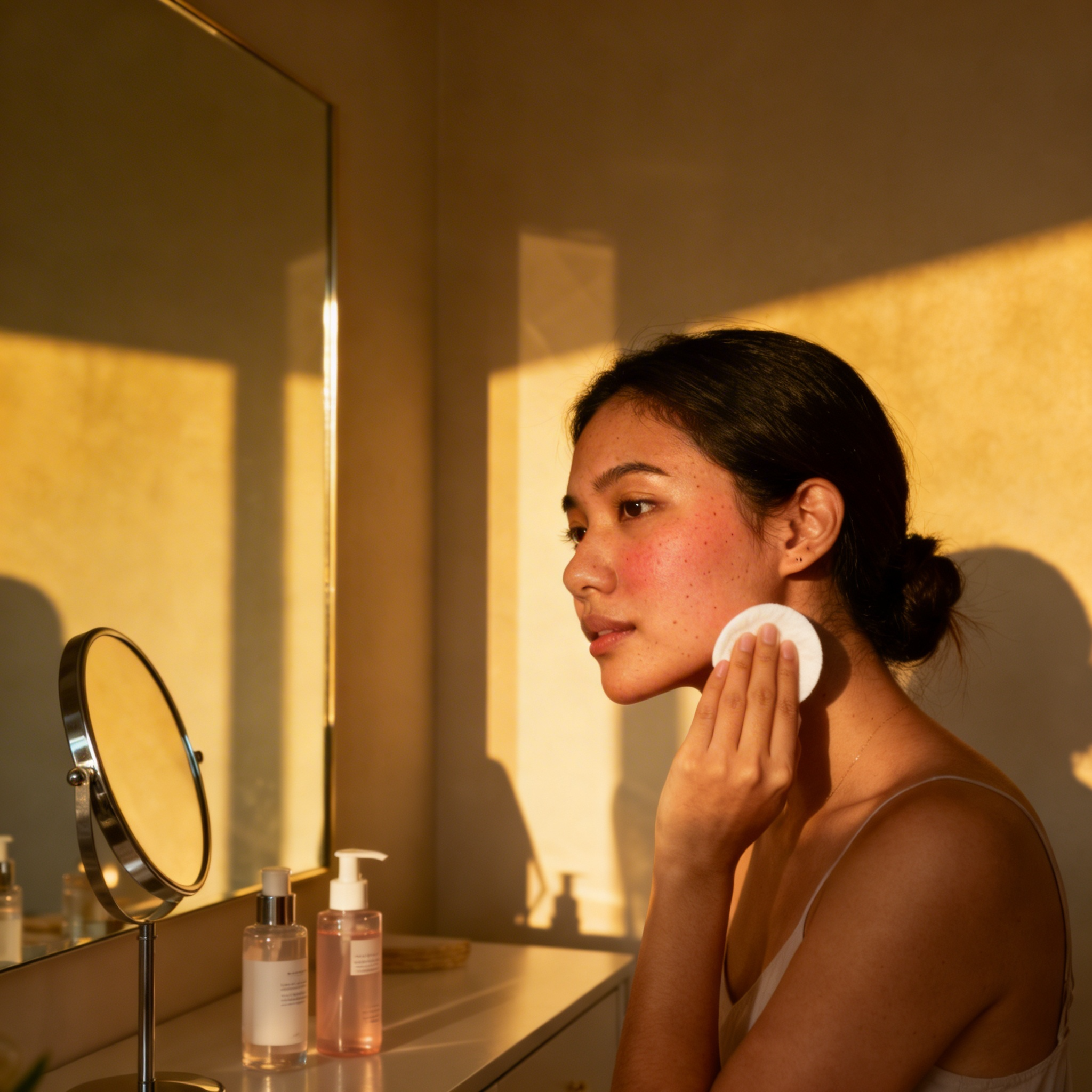
A mild, brief tingle when using an acid-based exfoliant is normal. Stinging, burning, or significant redness that persists after application is not — and it means either the product is too strong for your skin, or your barrier is already compromised.
Many people push through this discomfort assuming it means the product is "working." In reality, a damaged skin barrier takes months to repair and makes every other product in your routine less effective in the meantime.
What to do: If something stings consistently, stop using it. Rebuild your barrier first: a simple routine of cleanser, ceramide moisturiser, and SPF for two to four weeks. Then reintroduce actives slowly, starting at the lowest concentration available.
Your skin looks dull no matter what you use
If you're using multiple brightening serums and your skin still looks flat and tired, the issue is usually one of three things: dehydration (not enough water in the skin cells), dead skin cell buildup (insufficient gentle exfoliation), or a mismatch between what the product promises and what your skin actually needs.
Brightening ingredients like vitamin C work over time — but only if the formulation is stable and the product has been stored correctly. Vitamin C oxidises easily and loses effectiveness if the serum has turned yellow or orange.
What to do: Check your vitamin C serum's colour. Add a gentle chemical exfoliant once or twice a week. And make sure you're actually hydrated — drink water, and use a humectant moisturiser.
The common thread: most of these signs point to a mismatch between the product and your actual skin type — not a problem with your skin itself. The solution is almost always simplification, not adding more products.
Stop guessing what your skin needs
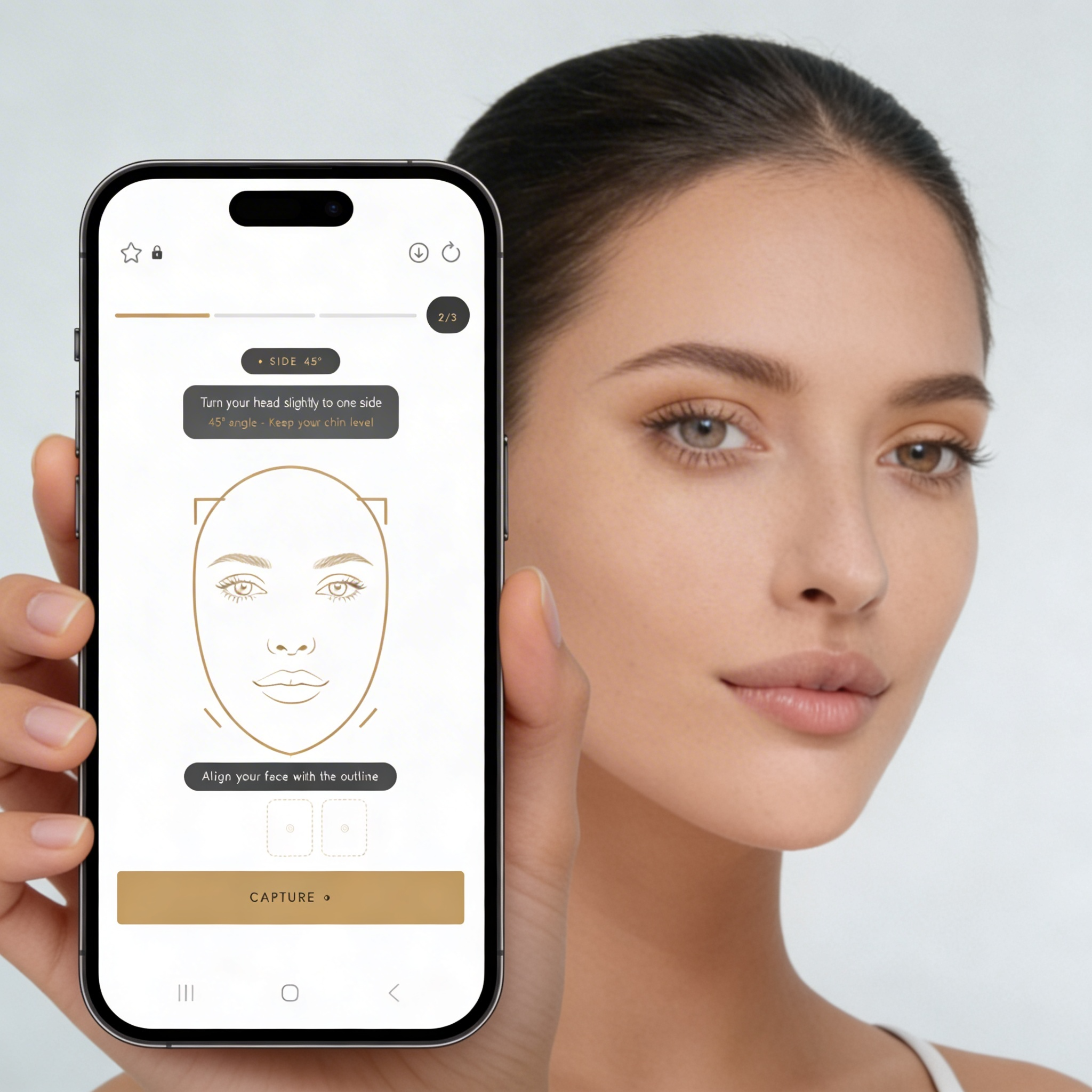
Akmata's AI analysis identifies your skin type and current condition from a photo — and recommends the specific products that will actually work for it.
Analyse My Skin